
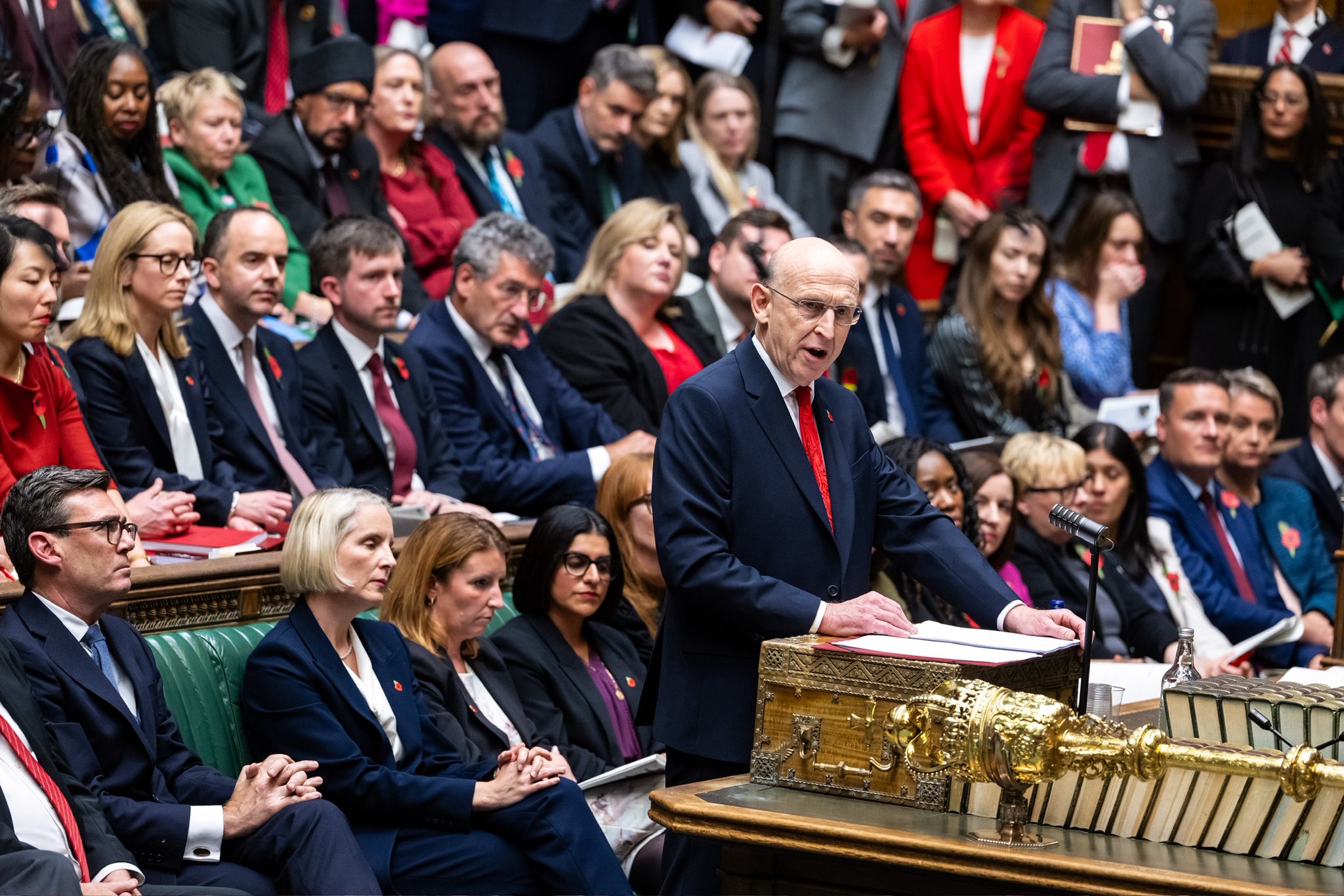

The 2026 Budget contains a mixture of UK-wide tax changes, support with household costs and specific investment for Northern Ireland.
Not every announcement works in the same way here. Some measures apply automatically across the UK, while others provide money to the Northern Ireland Executive through the Barnett formula, leaving Stormont to decide how it is spent.
Here are the main changes and what they mean for people and businesses in Northern Ireland. At a glance:
- £270 million in additional day-to-day funding for the Northern Ireland Executive, although the Finance Minister argues only £44 million is additional once cost-of-living funding is excluded.
- £13.21 an hour National Living Wage from April 2027, increasing wages for around 170,000 local workers.
- 3.9% increase in the State Pension, benefiting around 335,000 pensioners in Northern Ireland.
- Fuel duty cut extended until July 2027, benefiting motorists and businesses hit by rising prices.
- Support with electricity costs, although some measures will work differently in Northern Ireland.
Funding for the Executive
The Budget says the Executive will receive an additional £270 million in day-to-day spending funding through the Barnett formula. This is the mechanism used to provide Northern Ireland, Scotland and Wales with additional funding when spending increases in England.
However, there is an important qualification. Finance Minister John O’Dowd says that once money intended for the cost-of-living payment is removed, only £44 million represents additional funding resulting from the Budget.
Energy and cost of living support
Energy support is more complicated in Northern Ireland because of devolution and the Windsor Framework.
Electricity bills: The government is extending its VAT cut on electricity until July 2027, which is expected to save around £50 per household. However, the reduction has not yet applied in Northern Ireland because agreement with the EU is required.
- The Executive will receive funding to provide support in the meantime.
- The government expects the VAT reduction to apply here from April 2027.
- Around 850,000 Northern Ireland households are expected to benefit.
Household Energy Payment: Households in certain council tax bands in England will receive a £100 payment from January 2027. Northern Ireland has a separate domestic rates system, so the scheme cannot simply be copied here.
Instead, the Executive will receive its share of the funding through the Barnett formula and will decide how support is provided. This will require them to agree on a budget.
Heating oil: Tariffs on kerosene heating oil will be suspended until December 2028. This is particularly significant for Northern Ireland, where 63% of households use oil for heating. Fertiliser tariffs will also be suspended until December 2027, reducing costs for agriculture.
Fuel, vehicles and work travel
With fuel prices remaining high, several Budget measures are aimed at motorists and transport-intensive businesses.
- Fuel duty: the planned return of the 5p-per-litre duty in January 2027 has been cancelled, with the existing cut continuing until 1 July 2027.
- Inflation increase: the planned inflation-linked increase in fuel duty has also been postponed until July.
- Red diesel: the 3.7p duty reduction will continue until July 2027, particularly benefiting agriculture and other eligible industries.
- HGVs: most heavy goods vehicles have a Vehicle Excise Duty holiday until July 2027, worth around £600 for a typical HGV.
The government estimates that its fuel-duty decisions across this Parliament will save an average car driver £230 compared with fuel duty increasing in line with inflation.
People who use their own vehicle for work also benefit. The tax-free mileage rate will remain at 55p per mile for the first 10,000 business miles, while the rate thereafter increases from 25p to 35p per mile.
Workers and pensioners
From 1 April 2027:
- The National Living Wage increases 3.9% to £13.21 an hour.
- The minimum wage for 18 to 20-year-olds rises to £11.27 an hour.
- Around 170,000 Northern Ireland workers are expected to benefit.
- A full-time worker earning the National Living Wage could receive around £910 more in gross annual pay.
The State Pension will also increase by 3.9%, benefiting around 335,000 pensioners in Northern Ireland. The full new State Pension will rise to £13,036.40 a year, up by £488, while the older basic State Pension will increase to £9,989.20.
A temporary Pension Tax Allowance will also apply from April 2027 to April 2030. This is designed to prevent pensioners whose income is no higher than the full new State Pension from facing income tax simply because their pension has risen above the tax-free Personal Allowance.
Personal finances
There are several smaller changes affecting personal finances:
- Cash ISAs: the annual limit remains at £20,000, abandoning previous plans to cut it to £12,000.
- First Time Buyer ISA: a new ISA launches in April 2029, with contributions of up to £4,000 a year and a 25% government bonus towards an eligible first home.
- Trading Allowance: the amount people can earn from trading income tax-free increases from £1,000 to £3,000.
- Savings and property income: tax rates will increase by another two percentage points from April 2027.
Alcohol duty will meanwhile increase with inflation from February 2027. This is expected to add around 3p to a pint of beer, 18p to a bottle of wine and 49p to a standard bottle of gin.
Business, investment and jobs
There are also several measures aimed at investment and economic growth.
Qualifying founders of high-growth or innovative companies will be able to access a new 10% Capital Gains Tax rate on up to £10 million of lifetime gains.
However, Business Asset Disposal Relief (BADR) will become less generous, with its lifetime limit falling from £1 million to £500,000. Three-quarters of BADR claimants will still receive relief on their entire gain.
The tax treatment of business investment is changing from April 2027:
- Existing investments: the main rate of writing down allowances will fall from 14% to 12%. Writing down allowances allow businesses to deduct part of the cost of qualifying assets, such as machinery, from their taxable profits over time.
- New investments: the main First Year Allowance will rise from 40% to 50%, allowing businesses to deduct a larger share of the cost of qualifying new investments in their first year.
In simple terms, the changes make tax relief less generous for existing assets, while providing a stronger upfront incentive for businesses making new investments.
For Northern Ireland, the Budget provides:
- £7.5 million for Queen’s University Belfast’s Centre for Secure Information Technologies Cyber AI Hub.
- £1 million for a Northern Ireland Investment Summit.
- Wider access to additional investment through the National Wealth Fund and British Business Bank, which are receiving a combined £20.4 billion in additional capital and capacity.
These measures build on previously announced programmes including the £50 million Northern Ireland Defence Growth Deal and the Enhanced Investment Zone, which is expected to support around 1,000 jobs and attract £230 million of private investment.
Image Credit: © House of Commons