

Spend enough time listening to the political debate in Northern Ireland and you could be forgiven for thinking our economy is a basket case. We often hear about economic inactivity, low productivity, rising costs and fiscal pressures. These are real challenges that should not be ignored, but they are only part of the story.
The truth is that Northern Ireland enters the second quarter of this century with stronger economic foundations than many people realise. We have a lower cost of living than the rest of the UK or Ireland, growing exports, a skilled workforce, and industries positioned to benefit from economic trends in the coming decades.
We don’t lack economic potential. We just haven’t yet made the policy choices necessary to fully unlock it.
More going for us than we think
While it is important to be honest about our problems, we should be equally clear about our strengths.
Northern Ireland currently has the fastest wage growth in the UK. At the same time, the cost of living remains significantly cheaper than in Great Britain or the Republic of Ireland. Rents, for example, are more than a third lower than in Ireland, particularly benefiting people on fixed incomes or those further down the socio-economic spectrum.
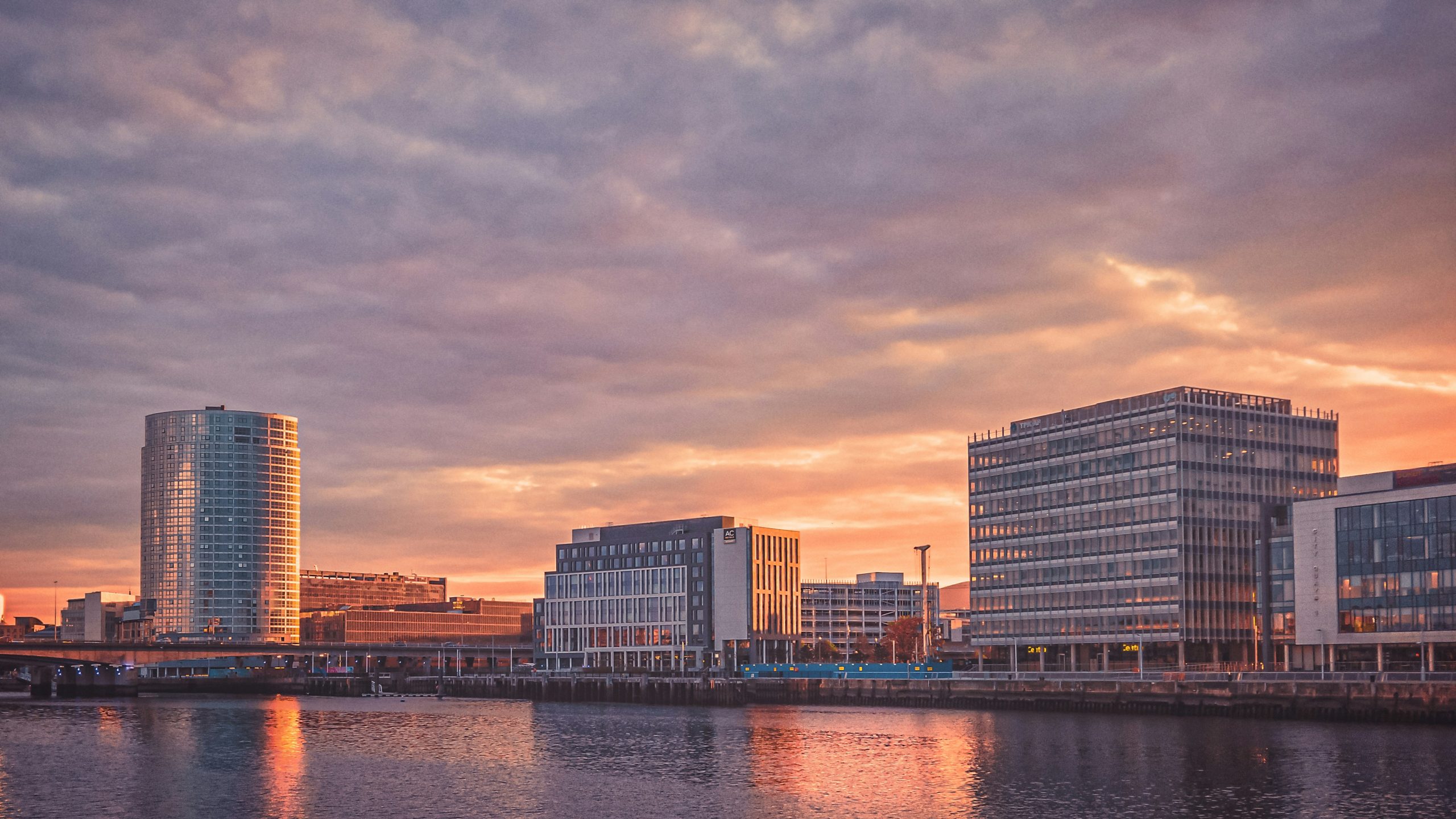
Those advantages also matter for businesses. Lower living costs help keep labour costs competitive, while commercial property costs remain considerably cheaper than elsewhere. Belfast has the lowest prime office rental costs of any major UK city, creating an attractive environment for firms looking to expand or relocate.
We also have internationally competitive sectors that position us well for future growth. Northern Ireland has established itself as a leading destination for cybersecurity investment and is increasingly recognised as a fintech hub. Our advanced manufacturing sector continues to compete globally, while aerospace and life sciences remain major sources of high-value employment and innovation.
Exports tell a similarly positive story. In 2024, Northern Ireland exported £19.6 billion of goods and services and generated a trade surplus of £8.4 billion. Trade with both our largest markets has grown significantly. Exports to Ireland increased from £4.2 billion in 2020 to £10.5 billion in 2024, while sales to Great Britain rose from £11.3 billion to £20.1 billion over the same period. These are not the indicators of an economy in decline.
None of this means the job is done. Far from it. But it should give us confidence that Northern Ireland has a stronger platform for future prosperity than many commentators acknowledge.
The challenge in unlocking growth
Despite these strengths, significant problems remain. Economic inactivity remains stubbornly high. Productivity continues to lag behind many neighbouring regions. Too many people are not sharing fully in the prosperity that economic growth can bring.
The Executive seems to be solely focused on distributing the money Northern Ireland receives through the block grant, rather than thinking seriously about how to grow the economy.
A successful economy is not built simply by dividing up existing resources. It is built by increasing productivity and competitiveness.
That requires difficult choices.
For too long, the Executive has developed a habit of postponing reforms. Whether the issue is public service transformation or budgetary decisions, it often defers difficult choices to a later date. But delaying decisions does not make problems disappear. It just stores up larger problems for the future.
While the Executive complains of underfunding, the uncomfortable reality is that it does not always spend the money it currently has wisely. Too often, resources are consumed maintaining inefficiency or preserving systems that no longer deliver the outcomes people need.
We should ask not only how much Northern Ireland gets from Westminster, but whether the Executive is spending it in ways that deliver efficient public services and support long-term economic growth.
From consumption to investment
For the Executive to be serious about improving living standards, it needs to shift its focus from consumption today to investment for tomorrow.
Governments cannot create prosperity on their own. But they can create the conditions that allow businesses to invest, innovate and expand.
That means placing greater emphasis on the factors that increase an economy’s productive capacity, including infrastructure, housing and skills. These are the investments that can determine whether an economy grows over the long-term.
The Executive should be asking whether today’s spending priorities are preparing Northern Ireland for the economy of 2040, or whether they are merely helping to manage the pressures of 2026.
Every pound spent maintaining inefficiency is a pound that cannot be invested in the infrastructure, housing or skills needed to drive future growth.
A richer Northern Ireland is possible
Northern Ireland’s economic future is not pre-determined.
The foundations for growth already exist. We have talented people, competitive costs, innovative sectors and a strong export base. We have many of the ingredients required for success.
Other small economies have transformed their performance through strategic policymaking and a relentless focus on growth. There is no reason Northern Ireland cannot do the same.
Most importantly, this is not about improving statistics for their own sake. Economic growth is not an abstract number on a spreadsheet. It means higher wages, better jobs, stronger public services and improved living standards. It means creating opportunities for people to build successful lives here, rather than feeling they need to look elsewhere.
Northern Ireland has the potential to become significantly more prosperous than it is today. The question is whether we are prepared to make the choices needed to achieve it.